Are Heat Pumps worth it?
Understand which types of homes are best suited to heat pumps versus zero-emission boilers. Get to grips with home energy assessments and system compatibility.
Are you a plumber or gas engineer and curious about heat pumps?
Check out Heat Geek! Retrofit West have teamed up with Heat Geek to fully-fund 20 places on their installer training.
Find out more
Which house suits a Heat Pump?
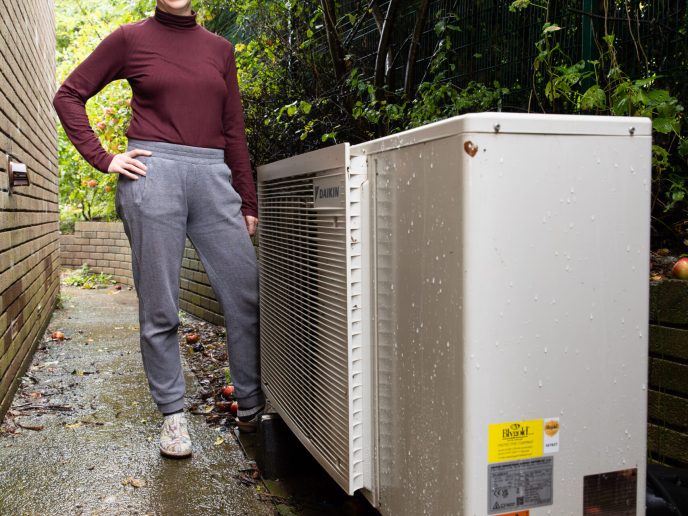
Air-to-water heat pumps can work in most homes, with running costs similar to (or often cheaper than) gas boilers. However, an in-depth survey is needed to measure the property, confirm the thermal values of the different elements of the property, measure the radiators, if possible confirm existing pipework sizing, age, condition and location. You’ll need to carry out a survey and room-by-room heat loss assessment in the property to confirm the size required and this could take from 2 hours. The size of the radiators and design flow temperature is also an important consideration. Larger radiators would mean lower flow temperatures and lower running costs, but this needs to be balanced against available space and install costs.
Suitable properties will have:
- Space for the outdoor unit (similar in size to two washing machines side by side)
- Good airflow and clear space around the unit – bear in mind the local environment will get colder and that will impact plants nearby or in the direct air flow
- Drainage or soakaway for condensation and defrost water
- Suitable space to comply with noise regulations
- Space for a hot water storage cylinder
- Each room will also need an adequately sized radiator
Which house suits a Zero Emissions Boiler?
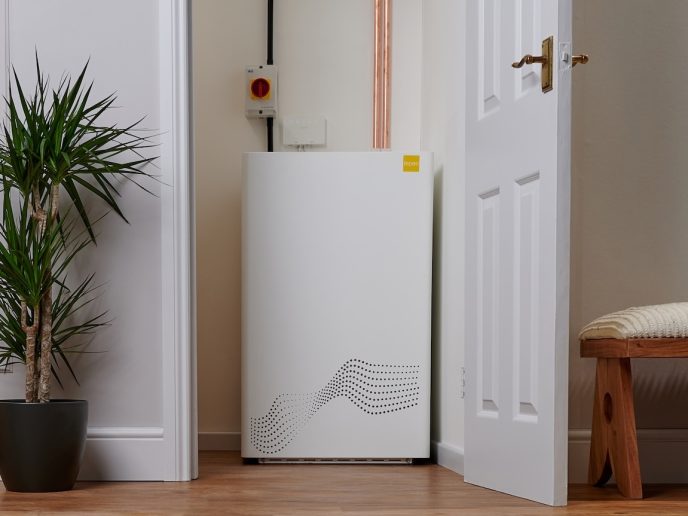
In some circumstances heat pumps aren’t suitable for properties – and that can be for a variety of reasons. But if you’re on the path to a greener home and can’t install a heat pump and air-to-air heat pumps have also been discounted, don’t lose hope; there are alternatives. A Zero Emission Boiler (ZEB) acts like a heat battery; powered by electricity, it can store energy within a thermal core until it’s needed for heating the home or hot water. ZEBs can fit into existing heating systems, whether they use radiators, underfloor heating and water tanks. However, while it is 100% efficient it can be up to 4 times more expensive to run than a heat pump and so needs careful consideration. They work best in very low heat demand properties with cheaper time-of-use tariffs.
Suitable properties will have:
- A heat-demand of less than 12,000kWh pa fuel consumption to maintain acceptable running costs
- Indoor space for the ZEB unit already
- Already has a hot water cylinder (or the capacity to install one)
- Smart meter and ability to use a time of use tariff
Are you curious about Zero Emissions Boilers?
tepeo train installers via their in-house programme to survey and install in homes across the UK. Training is quick and easy, due to the similarities with a gas boiler.
Find out more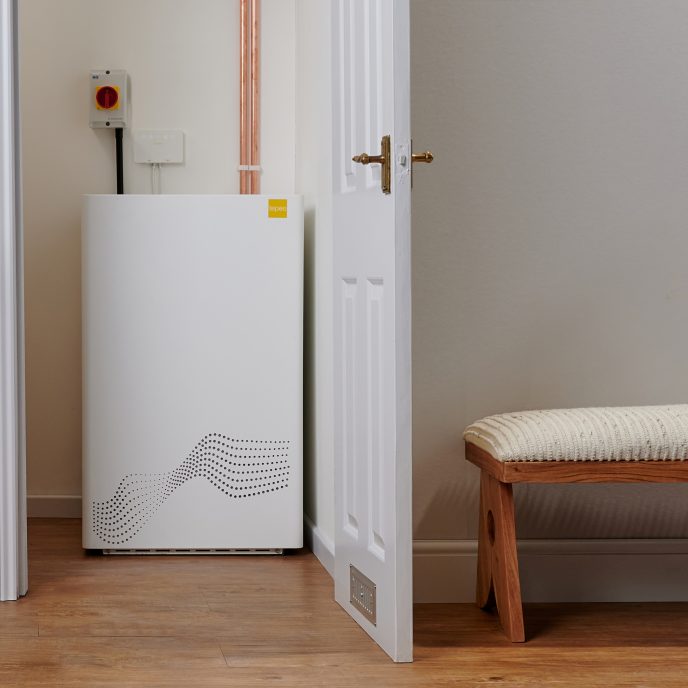
How to engage homeowners about Heat Pumps and Zero Emissions Boilers
Homeowners may have already heard about heat pumps, and all the ‘challenges’ they present, making it hard to discuss this as an option for their property. However, they might not have heard of zero-emissions boilers – the electric alternative to gas boilers. Engaging homeowners should start with the benefits they’ll see from making the change – cost savings, carbon savings and comfort benefits will be the headlines. The ‘plug-and-play’ nature of ZEBs also can appeal to homeowners as they can slot into their existing system well.
As with all ‘new’ technologies, the importance of answering customer questions cannot be underestimated. Keep overwhelming technical information to a minimum initially, getting into the details once the customer is asking questions and has a basic understanding of the system.
Assessing a home for each
Here’s a few tips on what installers should look out for when assessing a property for a heat pump or a zero-emissions boiler.
- Do they have space outside for the outdoor unit and inside for a hot water tank?
- How old is the current system? Will the radiators or piping need upgrading?
- What is the heat demand for the home?
- What is the yearly energy use for the home?
- Will the house need planning permission to have either installed?
- Does the property have smart meters installed?